
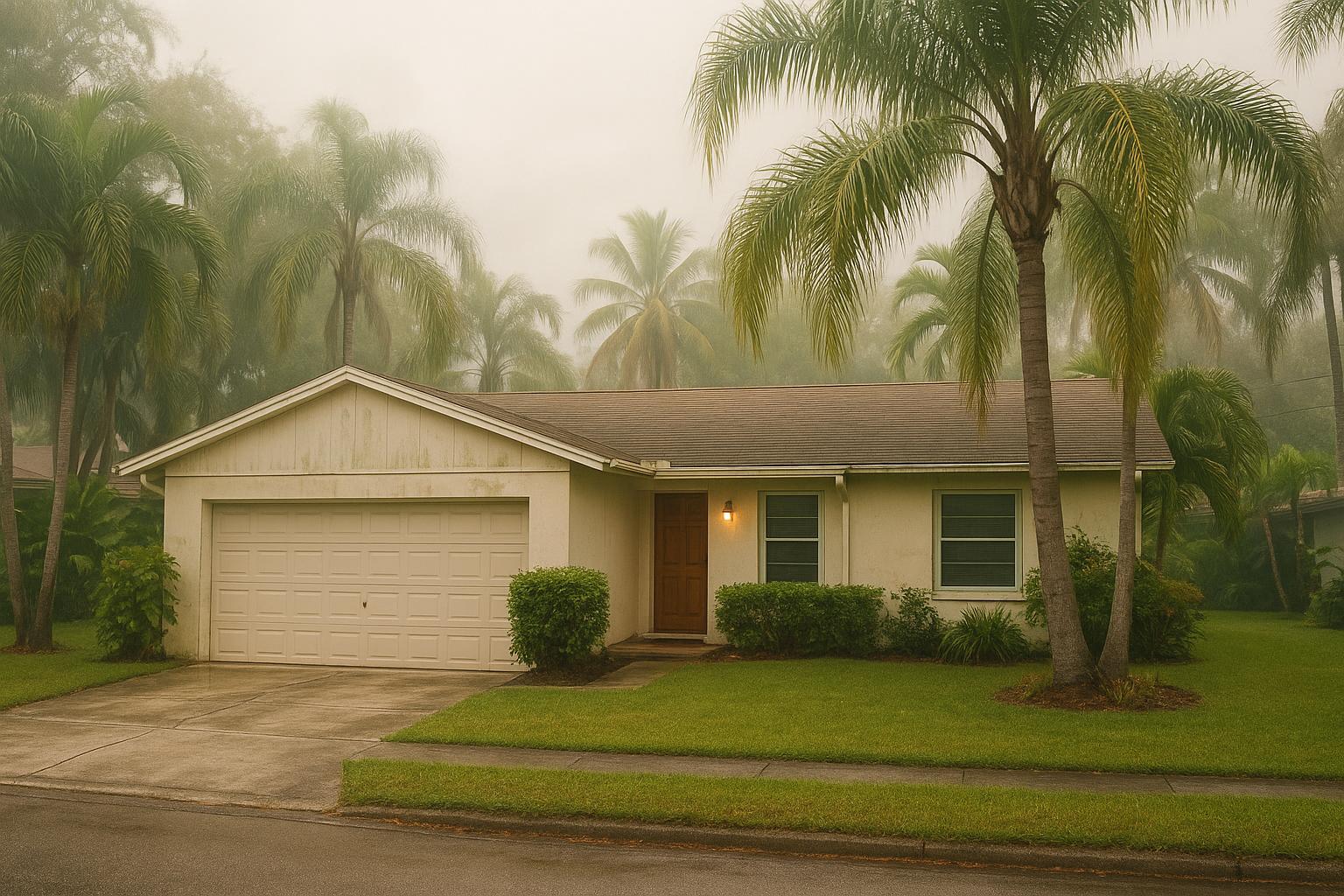
The Hidden Toll of South Florida Humidity on Your Home
Living in Davie means enjoying warm weather year-round, but that tropical climate comes with a trade-off most homeowners don't think about until it's too late. The persistent humidity in South Florida doesn't just make your hair frizz — it slowly and steadily breaks down your home's exterior, from the roof to the foundation.
If you've noticed peeling paint, warped siding, foggy windows, or mysterious dark streaks on your roof, humidity is likely the culprit. Understanding how moisture affects different parts of your home's exterior can help you take action before minor issues turn into major — and expensive — problems.
How Humidity Attacks Your Roof
Your roof is the first line of defense against the elements, and in our subtropical climate, it takes a beating every single day. High moisture levels create the perfect breeding ground for algae, moss, and mold, which show up as dark streaks or green patches on shingles.
But the damage goes deeper than appearances. Here's what humidity does to your roof over time:
- Shingle deterioration: Constant moisture exposure causes asphalt shingles to soften, curl, and lose their protective granules faster than in drier climates.
- Underlayment breakdown: Trapped moisture beneath shingles can degrade the underlayment, leading to leaks that may go unnoticed for months.
- Wood rot in decking: If moisture penetrates the shingle layer, the plywood decking underneath can develop rot, compromising the structural integrity of your entire roof.
- Mold growth in attics: Poor ventilation combined with high humidity allows mold to flourish in attic spaces, which can affect indoor air quality and weaken roof framing.
Most roofing manufacturers design their products with specific climate ratings. If your roof was installed with materials not suited for South Florida's humidity levels, its lifespan could be significantly shorter than expected. A professional roof inspection can reveal whether your current materials are holding up or whether a replacement with humidity-resistant options makes more sense.
Siding: The Slow Warp You Don't See Coming
Siding protects the walls of your home from moisture intrusion, but when it's constantly exposed to humid air, even quality materials can start to fail. Homeowners in Davie often don't realize their siding is compromised until they see visible warping, bubbling, or soft spots.
Common Humidity-Related Siding Problems
- Wood siding rot: Natural wood absorbs moisture like a sponge. In our climate, wood siding can develop rot within just a few years if it's not properly sealed and maintained.
- Vinyl siding buckling: While vinyl resists moisture better than wood, extreme heat combined with humidity causes expansion and contraction that leads to buckling and gaps.
- Mold and mildew buildup: That greenish-black discoloration on your siding isn't just ugly — it's a sign that moisture is clinging to the surface and creating a habitat for organisms that break down materials over time.
- Paint failure: Exterior paint on any siding material peels and blisters faster in high-humidity environments because moisture gets trapped beneath the paint film.
Modern fiber cement siding and engineered wood products are specifically designed to handle moisture-heavy climates. If you're dealing with recurring siding issues, upgrading to a humidity-resistant material can save you from the cycle of constant repairs.
Windows and Doors: Where Moisture Sneaks Inside
Your windows and doors are the most vulnerable points in your home's exterior envelope. In a humid climate, the seals around windows and doors break down faster, allowing moisture to infiltrate your walls.
Signs that humidity is affecting your windows and doors include:
- Condensation or fog between double-pane glass, indicating seal failure
- Difficulty opening or closing windows and doors due to frame swelling
- Visible mold or mildew around window frames and door jambs
- Peeling or bubbling paint on interior window sills
- A musty smell near windows, especially after rain
Impact-rated windows designed for South Florida not only protect against hurricanes — they also feature superior seals and moisture-resistant frames that stand up to daily humidity exposure far better than standard windows. If your windows are more than 15 years old, they've likely lost much of their sealing effectiveness.
Gutters: Your First Line of Moisture Defense
Gutters might not be glamorous, but they play a critical role in directing water away from your home. In Davie, where afternoon thunderstorms are practically a daily occurrence during summer, clogged or damaged gutters can cause water to pool around your foundation, seep into your walls, and accelerate exterior deterioration.
Humidity also causes metal gutters to corrode faster and can promote algae growth inside gutter channels, leading to blockages. Seamless aluminum gutters with proper downspout placement are one of the most cost-effective upgrades you can make to protect your home from moisture damage.
Exterior Paint: Why It Doesn't Last as Long Here
If you've ever wondered why your neighbor in Ohio gets ten years out of a paint job while yours starts peeling after four, humidity is the answer. Moisture in the air prevents paint from curing properly and breaks down the bond between paint and surface over time.
To get the longest life out of exterior paint in South Florida, consider these strategies:
- Choose 100% acrylic latex paint — it breathes better than oil-based alternatives and resists moisture penetration.
- Invest in proper surface preparation — pressure washing, scraping, and priming are essential steps that many painters skip to save time.
- Time the project right — painting during the drier months (November through April) gives paint the best chance to cure properly before the rainy season hits.
- Apply mildew-resistant coatings — specialty additives can dramatically slow mold and mildew growth on painted surfaces.
Protecting Your Home Before Damage Escalates
The most important thing Davie homeowners can do is stay proactive. Humidity damage is gradual, which means it's easy to ignore until a small problem becomes a structural issue. Here's a simple seasonal checklist to keep your home's exterior in top shape:
- Inspect your roof twice a year for dark streaks, missing granules, or soft spots
- Check siding for warping, bubbling, or discoloration after the rainy season
- Test windows and doors for smooth operation and check seals for gaps
- Clean gutters at least quarterly and after major storms
- Look for peeling or blistering paint, especially on south- and west-facing walls
When you do spot problems, addressing them quickly is always cheaper than waiting. A small section of damaged siding replaced today prevents water intrusion that could mean replacing entire wall sheathing next year.
When It's Time to Call in the Professionals
Some humidity damage is easy to spot, but much of it hides behind surfaces where only a trained eye can find it. If your home is showing any of the signs we've discussed — or if it's been several years since your last exterior inspection — it's worth having a professional evaluate the condition of your roof, siding, windows, and gutters.
At Revival Exterior Remodeling, we work with homeowners throughout Davie and the surrounding communities to identify humidity-related damage and recommend solutions that are built to last in our unique climate. Whether you need a targeted repair or a complete exterior renovation, we focus on materials and techniques designed specifically for South Florida conditions.
Don't wait for a small moisture problem to become a major headache. Reach out to our team for a thorough exterior assessment and find out exactly where your home stands.